Building Ad Targeting Audiences
The first step in any marketing strategy is figuring out who your customer is and how to target them. We’ve been working exclusively with retail flooring dealers for 29 years so we understand the flooring consumer and we know how to find them and we know how to keep our dealers “Top of Mind” from the time they begin thinking about replacing their flooring until they begin visiting flooring stores.
AI Targeting Technology
Our flooring consumer targeting technology is built on three state-of-the-art AI-Driven platforms.
The Planner’s Audience – To identify households planning to replace their flooring in the next 6 months, our AI model taps into the most comprehensive consumer database available.
The Researcher‘s Audience – To identify consumers researching flooring options online, we license the most advanced consumer buyer intent and identity resolution platform.
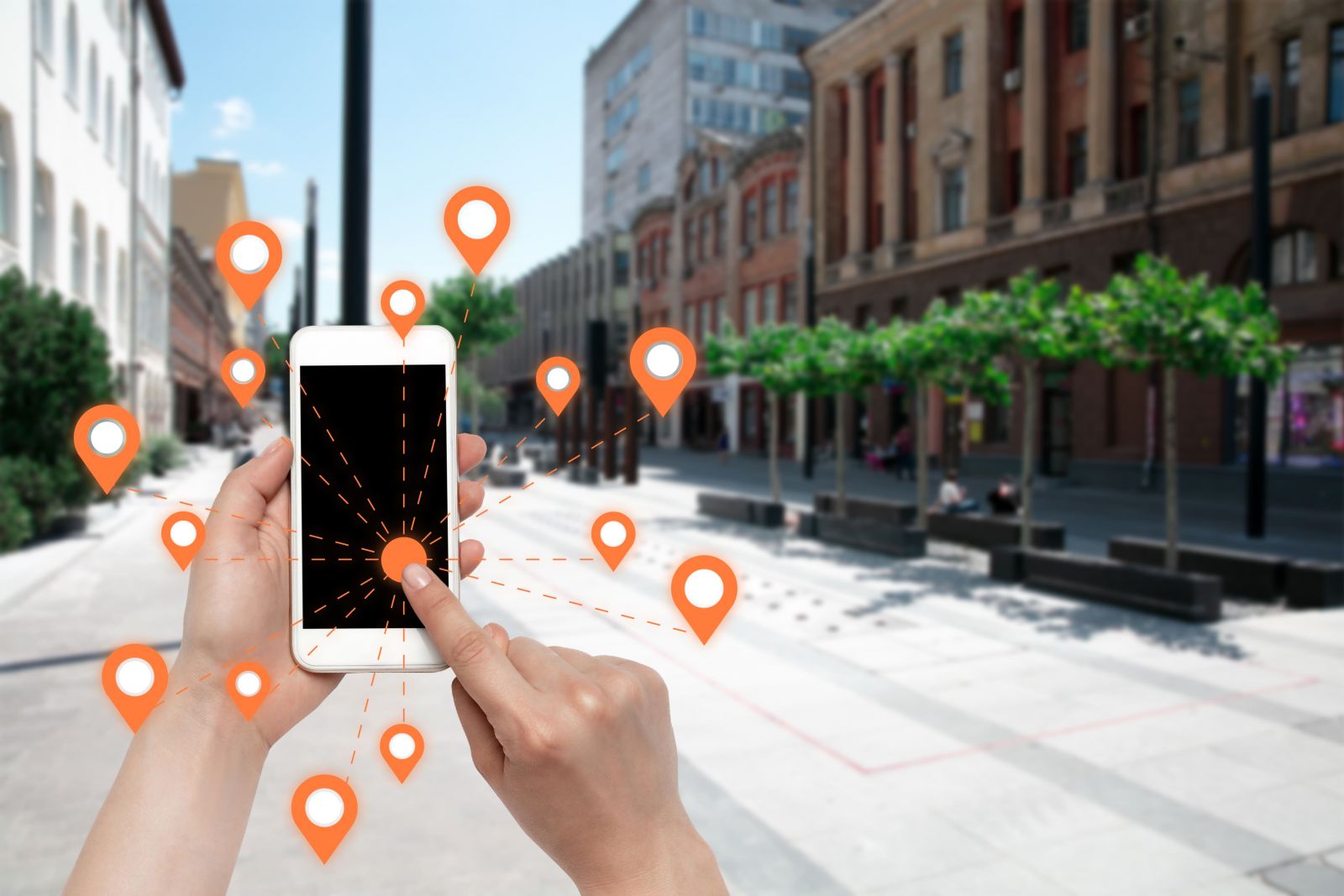
The Shopper’s Audience – In order to identify flooring shoppers visiting retail flooring stores, we license the most advanced GeoLocation mobile signal platform on the market.

The top five consumer data compilers include the credit reporting giants Experian and TransUnion, the marketing specialists Epsilon and Acxiom, and the technology conglomerate Oracle. In addition, there are a handful of consumer data cooperatives like Alliance and Five-by-Five that ingest first-party data from their coop members and after utilizing AI to integrate the data with other member’s first party data, they push the updated and enhanced data back out to its members.
We utilize two of these databases because together they provide attributes covering demographics, purchasing behaviors, lifestyle preferences, attitudes and life event triggers on virtually all 130 million addressable US households and the 280 million adult consumers residing in those housholds.
Using AI to Build The Planner's Audience
The LLMs (Large Language Models) ingest data from the consumer databases, allowing machine learning algorithms to analyze demographic, purchase history, and other subtle behaviors and patterns that indicate a household will soon replace some or all of its flooring.
Once the data is analyzed, the model generates a “propensity score” for each consumer household. This score represents the likelihood they will undertake some type of renovation project, including flooring replacement, within the next 6 months.
Households are added to The Planner’s Audience, enabling our Programmatic Ad Serving platform to deliver relevant ads to their mobile phones, tablets, desktops, and connected-home televisions (CTV).

Advances in AI technology over the past few years have enabled the monitoring of online activity for virtually every consumer in the US across billions of websites.
Our consumer buyer intent platform tracks the online activity of 280 million US consumers across 300 billion websites every week, allowing our model to identify consumers researching flooring and add them to our Researcher’s Audience. Our Programmatic Ad platform then takes over to serve rich media display and video ads on their mobile phones, desktops, laptops, tablets, and home-connected televisions (CTV).
Building The Researcher's Audience
There are two different methods for determining buyer intent: Predictive Intent and Real-time Intent. Predictive intent, which has been around for a couple of decades, utilizes offline purchase activity to make algorithmically calculated predictions about which households are likely to purchase a particular product or service.
Real-time intent refers to the cues derived from a person’s online browsing and shopping behavior. The signals used to identify this real-time intent include search queries, website visits, interactions with online content, ad clicks, and activities within apps.
Keyword-based Natural Language Processing (NLP) AI models are utilized to measure online intent. Recent advances have built upon the original NLP keyword-based models by measuring how closely a page matches the target topic. If it barely mentions the topic, it is given a low score. If it’s deeply relevant, like a product comparison page, it is given a high score.
These more advanced models also measure the strength of the intent by establishing a one to two-week baseline, and when someone’s activity around a topic doubles, they are deemed to be in moderate intent, and when it triples vs the baseline, they’re deemed to be high intent. We add both to our Researcher’s Audience in order to serve the appropriate ads to their mobile phones, tablets, desktops, and connected home televisions (CTV).

Our GeoLocation database allows us to identify when a consumer visits any retail flooring or flooring related store so our programmatic ad server can begin serving ads to their mobile phones while they are shopping.
The technology also tells us where they were before and after visiting each store location. Whereever they travel after we capture their identity, they will be receiving our dealer’s animated display and video ads on their mobile phones, desktops, laptops, tablets and home connected televisions (CTV) until they buy.
Building The Shopper's Audience
Geo-Location data refers to the geographical information about a mobile phone’s location, along with a timestamp. The movements of each mobile phone are assumed to correspond to the registered owner.
Real-time location data monitors a device’s live movements as they happen, providing current, up-to-date information about its location. Historical location data offers a detailed report on a device’s past movements over days, weeks, months, and years.
We draw a GeoFence around our competitors’ (including Floor and Decor) store location, enabling our ad server to serve ads to their mobile phones while they are shopping.